

EMERGENCY FIRST RESPONSE (EFR)

Be Ready When It Matters.

WHAT IS EMERGENCY FIRST RESPONSE?

The Emergency First Response Primary and Secondary Care course teaches practical CPR and first aid skills for both life-threatening emergencies and injuries or illnesses that are not immediately life-threatening. Through knowledge development, hands-on practice and realistic scenarios, you’ll learn how to assess a situation, provide care and respond with greater confidence.

WHO CAN JOIN?

Anyone can join. You do not need to be a diver or hold any previous certification. EFR is designed for divers and non-divers alike who want practical CPR and first aid training and the confidence to help someone in an emergency.

EFR TRAINING IN ACTION

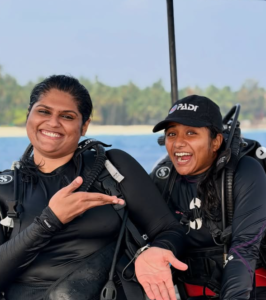
1
screenshot 2026 08 16 131338
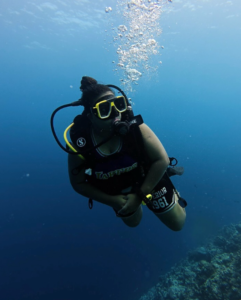
2
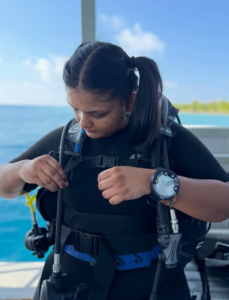
4

HOW THE COURSE WORKS

Your Path Through EFR

Learn the essentials, practise CPR and first aid, then build confidence through hands-on emergency scenarios.

01

Learn the Basics

KNOWLEDGE DEVELOPMENT

Start by learning how to assess an emergency, protect yourself, recognise when someone needs help and understand the steps to take before emergency medical services arrive.

02

Practise Primary Care

CPR • LIFE-THREATENING EMERGENCIES

Learn how to respond to serious emergencies through hands-on practice. You’ll work on skills such as CPR, managing serious bleeding, shock, choking and spinal injury situations.

03

Learn First Aid

SECONDARY CARE

Learn how to assess and respond to injuries or illnesses that are not immediately life-threatening, including bandaging, splinting, burns, bites, stings and other common first aid situations.

04

Put It Into Practice

REALISTIC EMERGENCY SCENARIOS

Bring the skills together through realistic scenarios. You’ll practise assessing what has happened, deciding what care is needed and responding in a calm, organised way.

05

Complete Your EFR Training

PRIMARY & SECONDARY CARE

Complete the required knowledge development and hands-on skills practice to finish your Emergency First Response Primary and Secondary Care training.

YOUR INSTRUCTORS

Meet the People You’ll Learn With

Hands-on guidance to help you stay calm, assess the situation and respond with confidence in an emergency.

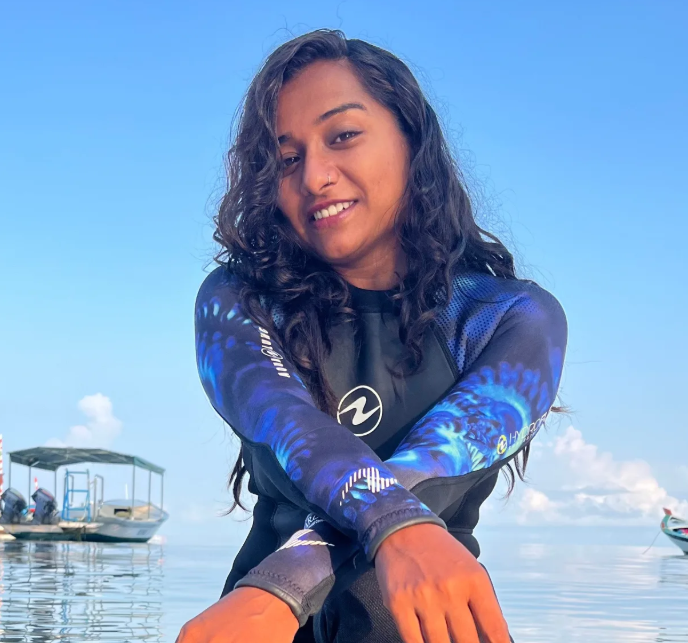
Shyamli Lakshmanan

Shyamli Lakshmanan

PADI Scuba Instructor & Co-Founder

“Knowing the steps is important, but confidence comes from practising them. I focus on helping you understand each skill, practise it properly and feel comfortable responding when someone needs help.”

TEACHING FOCUS
CPR · First Aid · Emergency Response · Confidence
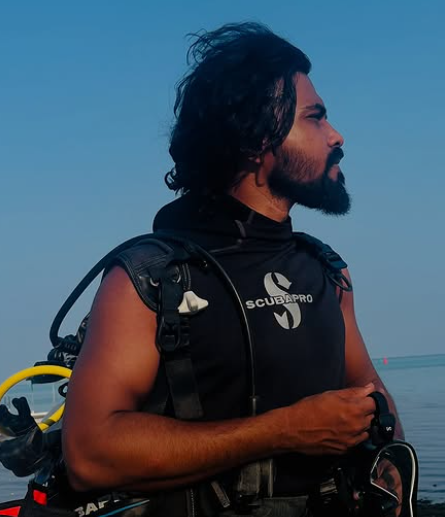
Pradeep Kumar Charles

Pradeep Kumar Charles

PADI Scuba Instructor & Co-Founder

“In an emergency, clear thinking matters. I focus on helping you assess the situation, understand what needs to be done and practise responding in a calm, structured way.”

TEACHING FOCUS
Situation Assessment · Primary Care · Secondary Care · Practical Skills

THE BUBBLETRAIL WAY

Learn It. Practise It. Be Ready.

First aid skills are meant to be used, not just remembered. We focus on practical, hands-on training so you can recognise an emergency, take action and respond with greater confidence.

ASSESS FIRST

Know What
You’re Dealing With.

Learn to assess the scene, recognise an emergency and decide what action is needed.

HANDS-ON PRACTICE

Learn
By Doing.

Practise CPR and first aid skills through repetition and realistic scenarios.

BUILD CONFIDENCE

Be Ready
to Respond.

Build a clear approach so you can respond more confidently when someone needs help.

EMERGENCY FIRST RESPONSE (EFR)​ FAQs

Frequently Asked Questions

Do I need to be a scuba diver to take EFR? +
No. Emergency First Response is not a scuba-diving course. It is practical CPR and first aid training for anyone who wants to be better prepared to respond in an emergency.
What will I learn during the EFR course? +
You’ll learn through knowledge development and hands-on practice. Training includes responding to life-threatening emergencies, CPR, illness and injury assessment, serious bleeding, shock, spinal injuries, bandaging, splinting and other essential first aid skills.
What is the difference between Primary and Secondary Care? +
Primary Care focuses on life-threatening emergencies and skills such as CPR and responding to serious medical situations. Secondary Care focuses on injuries or illnesses that are not immediately life-threatening, including assessment, bandaging, splinting, burn care, bites, stings and other first aid situations.
Does EFR meet the requirement for PADI Rescue Diver? +
Yes. Current EFR Primary and Secondary Care training meets the CPR and First Aid requirement for PADI Rescue Diver when completed within the previous 24 months. Qualifying CPR and first aid training from other organisations may also be accepted.
Do I have to practise mouth-to-mouth on another person? +
No. CPR skills are practised using training mannequins. You’ll also learn about using barriers such as pocket masks for the safe and effective delivery of rescue breaths.
Is AED training included? +
AED training can be added to Emergency First Response Primary and Secondary Care training. We’ll confirm whether AED training is included in your BubbleTrail course batch before you enrol.
Can I complete EFR entirely online? +
You can begin the course through online learning, but EFR also includes hands-on skill practice with an instructor. Online-only CPR and first aid courses do not meet the prerequisite for PADI Rescue Diver, Divemaster or Instructor courses.
How often should I refresh my CPR and first aid skills? +
Emergency care skills can fade when they aren’t practised regularly. PADI recommends refreshing CPR and first aid skills every year. For PADI Rescue Diver, Divemaster and Instructor prerequisites, your qualifying CPR and first aid training must be current within the previous 24 months.
BE READY TO RESPOND

Ready to Learn CPR & First Aid?

Build practical emergency-response skills and the confidence to help when someone needs you. Talk to us about upcoming EFR course dates, training locations and course availability.